
How Long Do Veneers Last? Explained by Dr. Johana Cobo

By Brisa Dental Arts
One way people enhance their smiles is with dental veneers. Whether you’re considering veneers for the first time or are just curious about their longevity, knowing how long they last and how to care for them is essential. Familiarizing yourself with these dental procedures thoroughly can be a great idea for your long-term dental health. At Brisa Dental Arts, Dr. Johana Cobo, a leading cosmetic dentist, is here to help you make the right decisions about your smile.
In this blog, you will find answers to the question “How long do veneers last?” and we will also offer plenty of helpful information to help you choose one that lasts for years to come.
What Are Veneers and Why Choose Them?
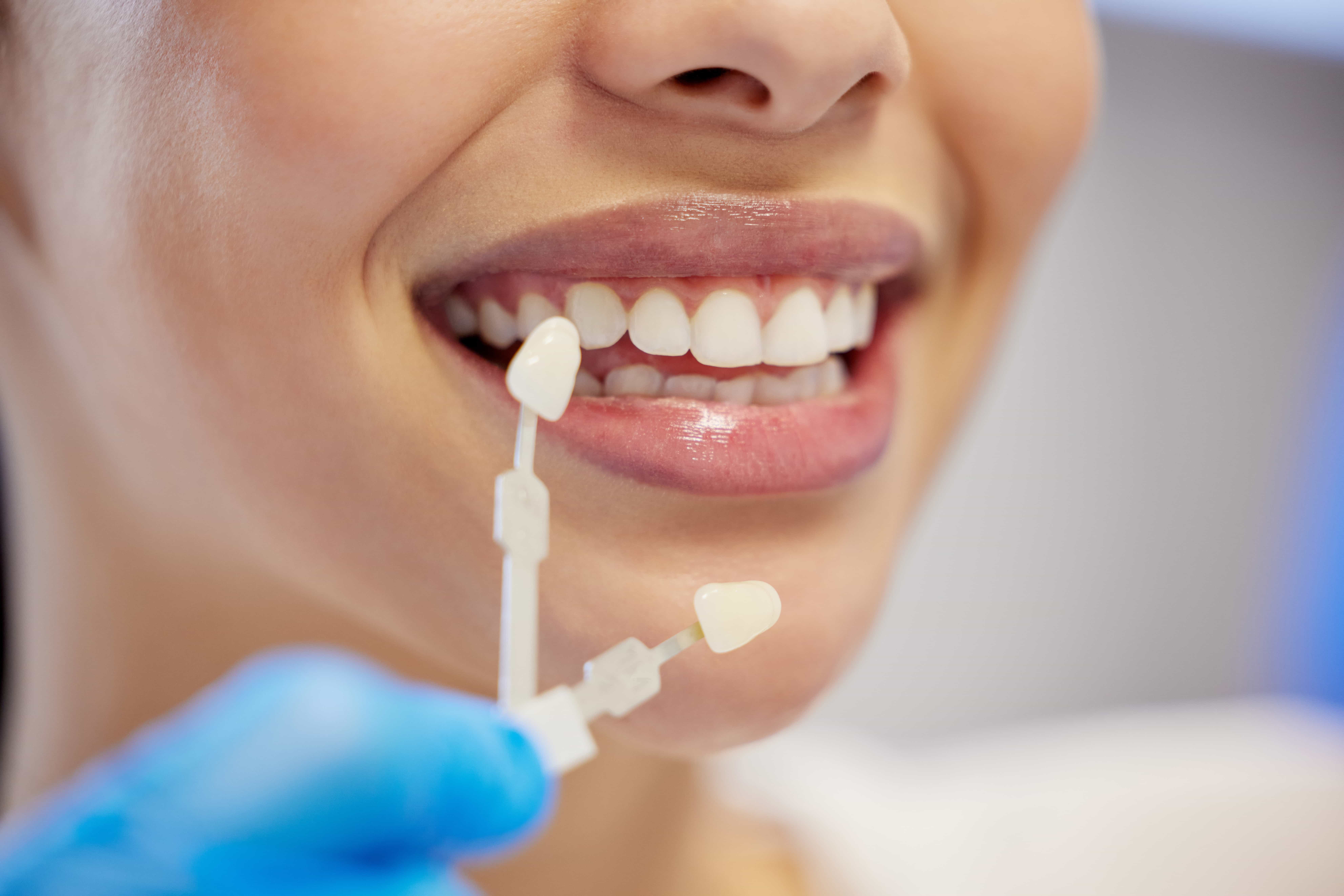
Veneers are very thin shells of porcelain or composite resin that are bonded to the front teeth to improve their appearance. They are a good choice for people with discolored, chipped, or slightly crooked teeth. Among other options, people choose dental veneers to address aesthetic issues with their teeth. There are two types to choose from: porcelain and composite veneers.
Porcelain veneers rank among the highest-quality products due to their remarkable natural appearance and long-lasting properties; however, composite veneers offer a less expensive alternative that can also provide good visual enhancement.
However, before making a decision, it’s essential to understand how long they last and what factors influence their longevity.
Factors That Affect the Lifespan of Veneers
1. Materials
- Porcelain: Porcelain veneers are strong and less prone to staining than composite, which is why they have been the most common choice for permanent solutions.
- Composite: These types of veneers can be less expensive but will not last as long as porcelain. Although they will last a few years, they may need frequent touch-ups.
2. Oral Care
By brushing and flossing daily and going to a cosmetic dentist in Kissimmee for professional cleanings, you can protect and maintain your veneers. Poor oral hygiene can lead to plaque buildup and deposits on teeth and cement, potentially damaging the bond between your veneers and the tooth surface.
3. Dietary Habits
Chewing on bones, ice, pens, or fingernails can chip or crack your veneers. Drinking coffee, red wine, and eating dark berries will stain your veneers.
4. Clenching or Grinding Teeth
Teeth grinding (bruxism) can negatively impact the lifespan of your veneers. Nighttime grinders should consider wearing a night guard while resting to help prevent damage to their natural teeth and veneers.
5. Overall Dental Health
The health of the underlying teeth and gums is important to the longevity and success of your veneers. The presence of cavities or gum infections, as well as irregular bite function, can affect the longevity of your veneers.
How Much Does Cosmetic Dentistry Cost?
The cost of a cosmetic dental procedure, including veneers, will depend significantly on the type of material chosen, the number of teeth being treated, and the level of expertise of the cosmetic dentist in Kissimmee. Selecting porcelain as your veneer material can provide a long-lasting and natural-looking appearance when applied to your teeth. Composite is another material to consider if you’re looking for something less expensive that still delivers quality results for a beautifully enhanced smile.
You should always ask about the type of insurance you have before committing to any cosmetic dental procedure. Most insurance carriers do not cover cosmetic procedures, such as veneers. However, if a cosmetic dental procedure is determined to be medically necessary (for example, if your teeth are broken or decayed), your insurance plan may cover some of the cost. The best thing to do is call your insurance provider to see if they cover any of these procedures.
In many cases, there can also be financing options to allow you to afford to get the dental treatment you need or want. For example, Brisa Dental Arts offers payment plans and the option to use Health Savings Accounts (HSAs) to help patients manage the cost of their cosmetic dental procedures.
Composite vs. Porcelain Veneers – Which One to Choose for Longevity?
If you are considering getting either composite or porcelain veneers, take a look at the pros and cons of both to decide which one will last longer:
Porcelain:
- They last longer (10-15 years)
- More resistant to stains and damage
- Give a natural, translucent look
- Require the removal of some enamel
Composite:
- Costs less than porcelain
- Have a shorter life span (5-7 years)
- Quick to apply; more prone to staining, damage, and chipping
- They are repairable if damaged
The right choice for you depends on your goals and budget. If you want a long-lasting, low-maintenance solution, porcelain may be your best option. On the other hand, if you are on a budget and want something quicker, composite will be right for you.
Signs that Your Veneers May Need Replacing
As veneers age, different signs can indicate when to get new ones. Pay attention to the following signs:
1. Visible Wear and Tear: These signs will be evident on your veneers after some time. Damage, such as chips or cracks that can’t be fixed by regular cleaning, may cause discoloration.
2. Bonding Failure: It occurs when your veneer begins to come off your tooth. If you notice this, it is essential to address it as soon as possible.
3. Staining: Composite veneers stain easily compared to porcelain. If your composite veneers have become discolored over time, they may need to be replaced.
4. Damage: If you’ve suffered an accident that results in damage to your veneers or have been grinding your teeth (which can also damage your veneers), replace them immediately to prevent further damage.
Caring for Porcelain Veneers
Proper care and maintenance are the main factors in extending the lifespan of your veneers. Here are some of the ways you can look after your veneers:
- Regular Oral Hygiene: Keep your teeth clean by brushing and flossing at least twice daily. Choose a nonabrasive toothpaste and avoid whitening pastes, which can damage the veneer surface.
- Visit Your Dentist Regularly: Dental checkups help monitor your veneers and overall oral health.
- Protect Against Damage: Do not chew on hard things or clench your teeth. If you are a nighttime grinder, talk to your dentist about a night guard.
Conclusion: Maintain a Healthy Smile with Brisa Dental Arts
Your veneers can serve you well for years to come if you look after them properly. Both porcelain and composite veneers require you to maintain good oral hygiene and be careful not to damage them. If you want veneers or it is time for a replacement, Brisa Dental Arts is at your service. Dr. Johana Cobo leads our skilled team, which delivers professional care tailored to your needs. We make sure you get that perfect smile that lasts.
Is it time for a smile makeover? Book your consultation at Brisa Dental Arts now!
Common Questions People Ask
Does dental insurance cover veneers?
Typically, cosmetic dental insurance will not cover veneers unless they are necessary for medical reasons. Contact your insurance company to get detailed information about the benefits.
Can I whiten veneers?
You cannot whiten veneers after they have been fitted. Nevertheless, if they become discoloured, you may have to get new ones or have your old ones professionally cleaned.
How do I know if my veneers need to be replaced?
It is time to consider replacing veneers if you notice discoloration, chips, or cracks, or if they come off your teeth.
How can I prevent my veneers from chipping?
Avoid chewing on hard objects, grinding your teeth, and using your teeth as tools. Regular check-ups with your dentist also help ensure the longevity of your veneers.